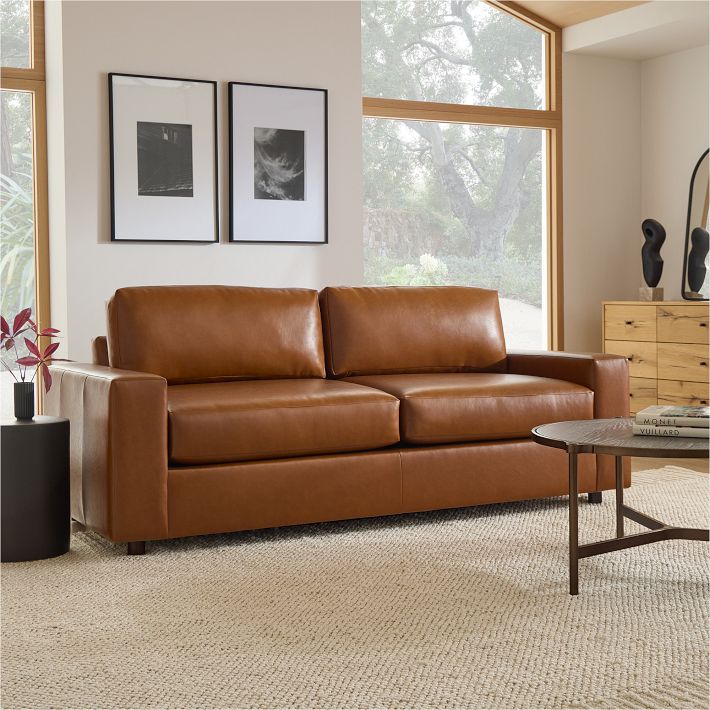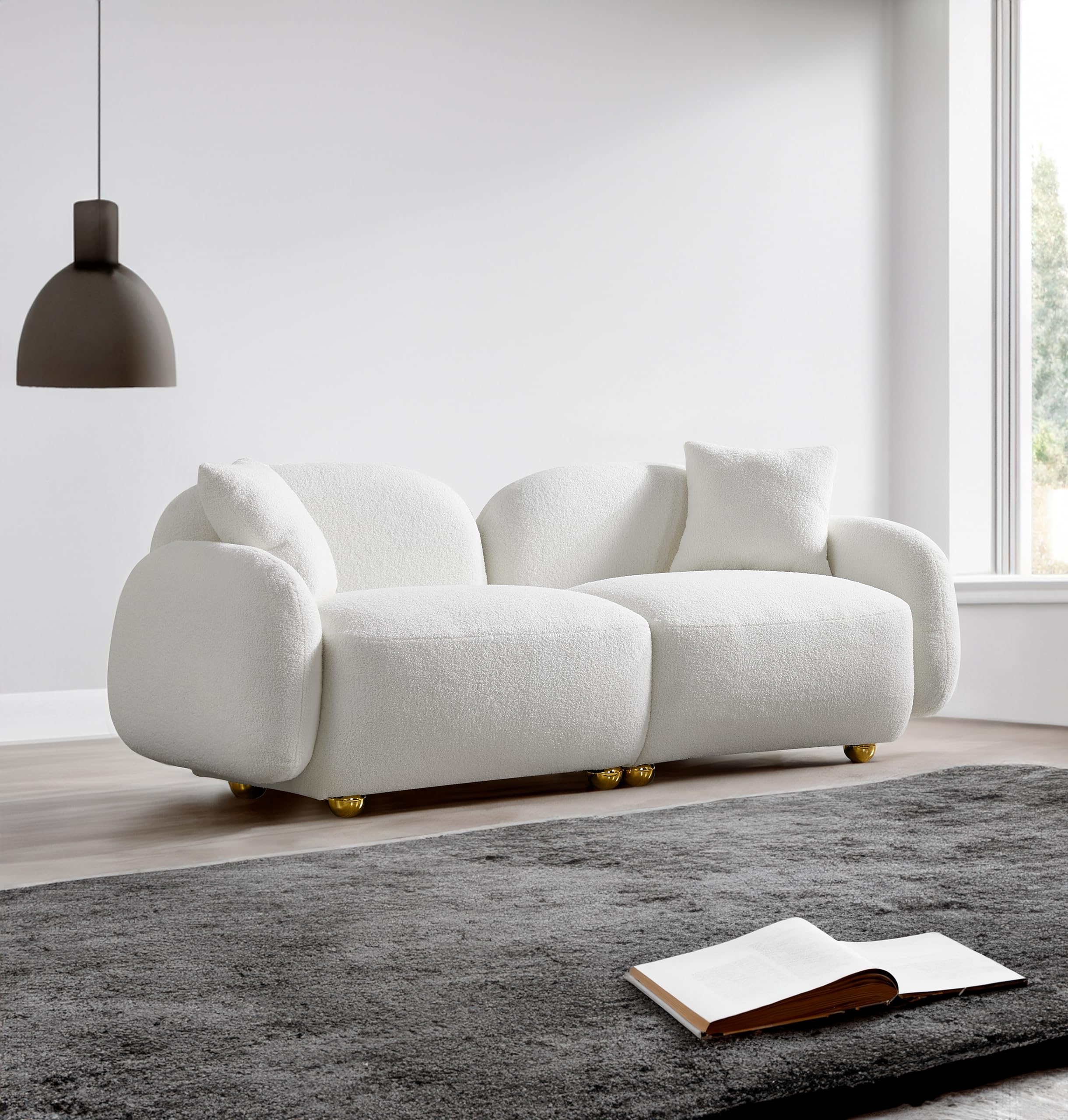
A comforty sofa is where real life happens. People sit there after long days. Kids jump on it. Guests end up sleeping on it. That is why comfort matters more than anything else.
Many sofas look good in photos. Fewer feel good after hours of use. This guide explains what actually makes a sofa comfortable, how to choose one, and how to avoid common mistakes. Everything is written in plain language for everyday buyers.
What People Usually Mean by a Comforty Sofa
A comforty sofa feels good the moment you sit down. It does not push your back forward. It does not sink too low. It supports your body without feeling stiff.
Most comfort-focused sofas share these traits:
-
Soft but supportive cushions
-
A relaxed sitting angle
-
Enough depth to sit or lie down
-
Upholstery that feels pleasant on skin
Comfort is not about luxury labels. It is about how the sofa feels after daily use.
Why Sofa Comfort Matters More Than Style
A sofa gets more use than most furniture in a home. People sit on it every day. A bad sofa causes discomfort fast.
Common problems from uncomfortable sofas:
-
Lower back pain
-
Tight shoulders
-
Numb legs
-
Sagging cushions
A comforty sofa reduces strain on the body. It helps people relax without thinking about posture.
Cushion Types That Actually Feel Comfortable
Foam Cushions
Foam is the most common option. Not all foam feels the same.
Good foam has:
-
Medium to high density
-
Quick bounce-back
-
Even support
Cheap foam feels soft at first. It flattens quickly.
Memory Foam Layers
Some comfort sofas add memory foam on top of regular foam.
Benefits include:
-
Better pressure relief
-
Less strain on hips
-
Softer feel without sinking
This works well for people who sit for long periods.
Fiber and Feather Blends
Fiber adds softness. Feather blends feel plush.
Downsides include:
-
Frequent fluffing
-
Less structure
-
Higher maintenance
Many comforty sofas combine foam and fiber for balance.
Seat Depth and Height Explained Simply
Seat depth affects how your legs and back feel.
-
Shallow seats support upright sitting
-
Deep seats allow lounging
Most people feel comfortable with a seat depth between 20 and 24 inches.
Seat height also matters.
-
Too low strains knees
-
Too high feels awkward
A height between 17 and 19 inches suits most adults.
Back Support and Arm Design
Back support should feel natural. It should not force your spine into one position.
Look for:
-
Slight recline
-
Cushioned back pillows
-
Firm inner support
Arms matter too. Wide padded arms feel good for resting elbows or lying down.
Best Upholstery for a Comforty Sofa
Fabric Upholstery
Fabric sofas feel warm and soft. They work well in most homes.
Common fabric choices include:
-
Polyester blends
-
Cotton blends
-
Linen-style fabric
-
Performance fabric
Performance fabric resists stains and wear. It suits homes with kids or pets.
Leather Upholstery
Leather feels smooth and firm.
Pros include:
-
Easy cleaning
-
Long lifespan
-
Less odor retention
Leather feels cooler at first. It softens over time.
Comforty Sofa Styles That People Actually Use
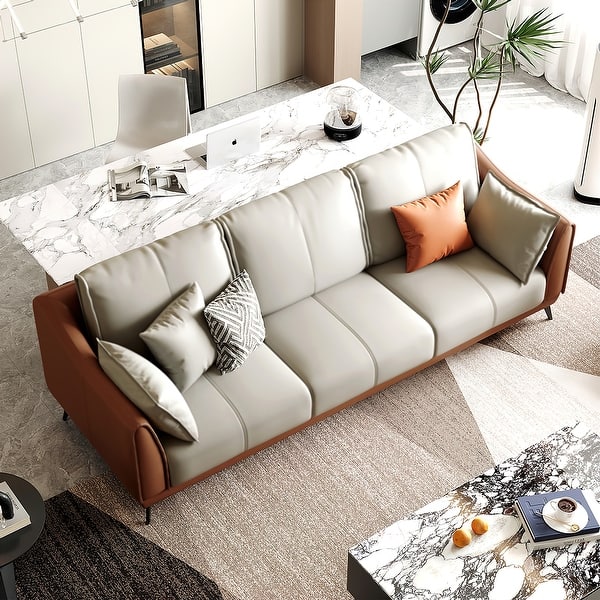
Sectional Sofas
Sectionals are popular for a reason. They give space to stretch out.
Good for:
-
Families
-
Movie nights
-
Open living areas
A chaise section adds leg support.
Standard Sofas
Three-seat sofas fit most rooms.
They work well in:
-
Apartments
-
Average living rooms
-
Guest areas
Pairing one with a chair adds flexibility.
Loveseats
Loveseats suit small spaces.
Ideal for:
-
Bedrooms
-
Home offices
-
Small apartments
They keep comfort without taking over the room.
Recliner Sofas
Recliners focus on full-body relaxation.
They include:
-
Adjustable backrest
-
Footrest support
-
Manual or power controls
These work well for people with back or leg pain.
Choosing the Right Size Without Guessing
Many buyers choose sofas that are too big.
Before buying, measure:
-
Wall space
-
Doorways
-
Staircases
Leave room for walking and other furniture.
Typical sofa lengths:
-
Loveseat: 60–70 inches
-
Standard sofa: 80–90 inches
-
Sectional: over 95 inches
Comforty Sofa for Small Living Rooms
Small spaces still need comfort.
Helpful features include:
-
Slim arms
-
Raised legs
-
Light upholstery colors
-
Compact frames
Avoid deep bulky designs in tight rooms.
Sofas for Homes With Kids and Pets
Durability matters more than trend.
Look for:
-
Stain-resistant fabric
-
Tight fabric weave
-
Removable cushion covers
-
Solid wood frame
Leather handles pet hair well. Performance fabric handles spills.
How to Tell If a Sofa Is Comfortable in the Store
Sit on it like you would at home.
Check these points:
-
Feet touch the floor
-
Lower back feels supported
-
Cushions do not collapse
-
Arms feel natural
Stay seated for several minutes. Comfort shows over time.
Buying a Comforty Sofa Online
Online shopping offers variety. It also carries risk.
Tips for safer online buying:
-
Read verified reviews
-
Check seat depth and height
-
Look at return policies
-
Review warranty details
Photos never show true comfort.
How Much a Comforty Sofa Usually Costs
Price depends on size and materials.
Average ranges:
-
Fabric sofa: $600–$1,200
-
Leather sofa: $1,200–$2,500
-
Sectional sofa: $1,500–$3,500
Very cheap sofas often lose comfort fast.
Simple Care Tips That Keep Sofas Comfortable
Basic care makes a difference.
-
Vacuum weekly
-
Rotate cushions often
-
Clean spills quickly
-
Keep away from direct sun
Follow care labels to avoid damage.
Common Buying Mistakes People Regret
Avoid these mistakes:
-
Buying without measuring
-
Choosing looks over comfort
-
Ignoring cushion quality
-
Skipping frame material
Comfort fades fast in poorly built sofas.
Expert Advice Worth Reading
Consumer Reports offers unbiased sofa buying guidance based on testing and durability. Their sofa buying guide explains what construction details really matter:
Final Thoughts on Finding the Right Comforty Sofa
A comforty sofa should feel good every day. It should support your body and fit your space. Style matters, but comfort lasts longer.