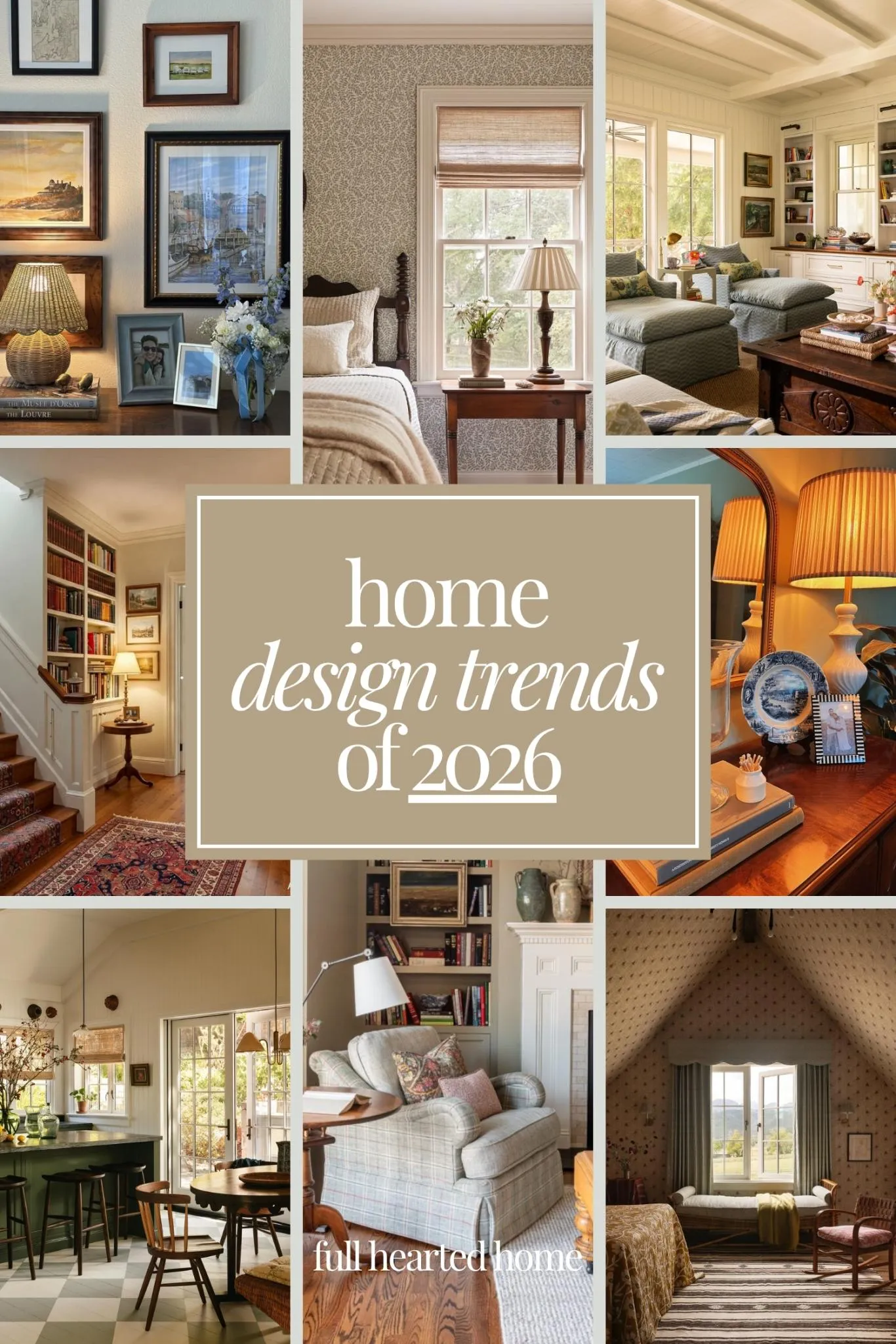
In 2026, interior design is evolving in ways that reflect our changing lifestyles, values, and emotional needs. The trend forecast from Vogue offers a glimpse into the key aesthetics and ideas that will shape how we live, decorate, and feel at home this year. These design shifts go beyond surface style — they speak to comfort, authenticity, sustainability, and personal expression in spaces we inhabit daily.
Interior design trends aren’t just about pretty pictures. They reveal how people want their environments to feel: welcoming, lived-in, and meaningful. In a world that sometimes feels fast and overwhelming, 2026 interiors lean toward warmth, texture, character, and personality.
1. Embracing Homes That Feel Truly Lived-In
One of the most talked-about shifts is toward interiors that look and feel truly lived-in. Instead of sterile perfection, designers are celebrating spaces with history, imperfections, and stories. Think collections of objects, heirlooms, layered textures, and furniture that looks comfortable and real — not just “Instagram-ready.”
This trend reflects a deeper cultural shift: people want rooms that feel like home, not like a showroom. It’s about comfort, authenticity, and emotional connection.
2. Warm, Natural Materials Everywhere
Wood is making a big comeback in 2026 interiors. Not just any wood — rich, aged, textured, and character-filled pieces. Expect darker wood tones, reclaimed timber, and furniture that feels organic and timeless rather than sleek and new.
This warmth extends into kitchens too. Designers are swapping matched fitted cabinets for individual wood furniture and standalone pieces that feel more personal and collected over time.
Natural materials continue to dominate — from stone and metal with patina to woods that age gracefully. This trend isn’t just aesthetic. It celebrates materials that feel rooted in the real world, adding depth and substance to interiors.
3. Tactile and Textural Art and Decor
2026 welcomes art and décor that feel different. Textile wall hangings, tapestries, and tactile pieces are growing in popularity, adding softness and character to walls in a way that flat prints rarely do.
These handcrafted or vintage elements not only bring texture into interiors but also reflect a desire for craftsmanship and personality. As people spend more time at home, they want their spaces to feel inviting and expressive.
4. Playful Furniture Choices Like Occasional Sofas
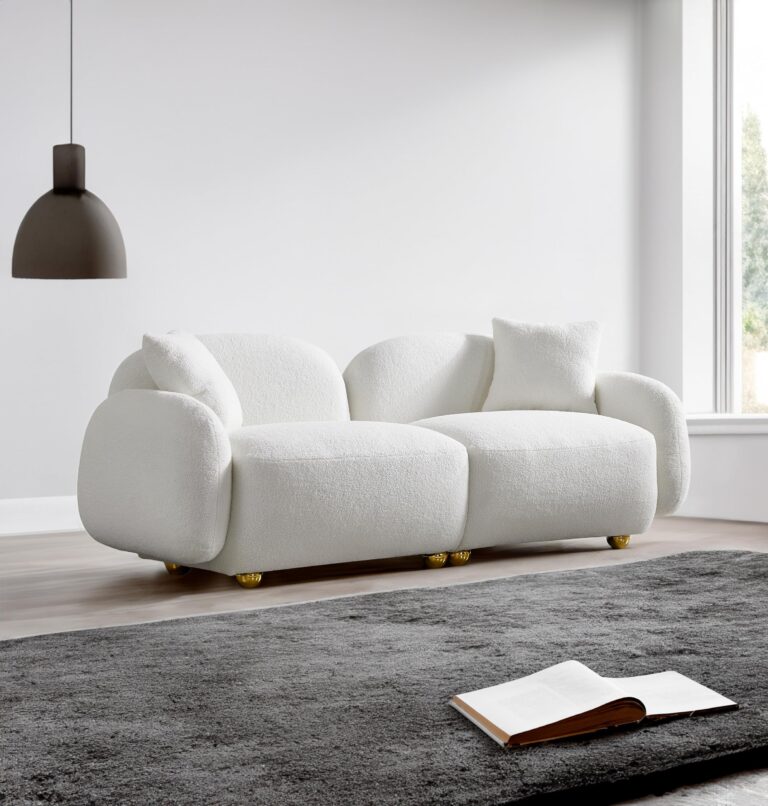
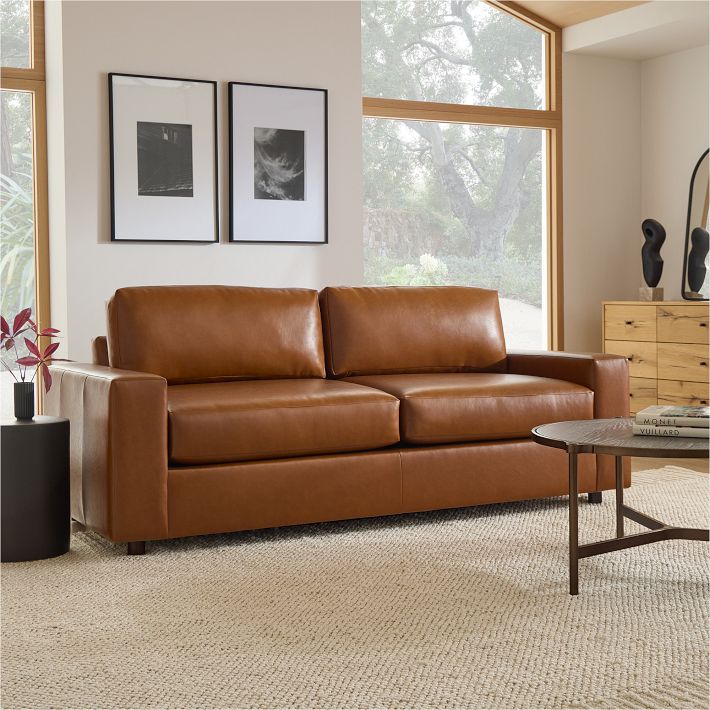
“Occasional” sofas — smaller, decorative seating pieces placed in hallways, bedrooms, or intimate corners — are trending. These pieces aren’t meant for grand lounging or movie nights. Instead, they add charm, color, and unexpected seating options that feel fun and less formal.
Vintage and antique occasional sofas are especially popular, often repurposed with new upholstery for a fresh twist on classic style.
5. Bold Tiles and Decorative Backsplashes
2026 also sees tile design stepping into a more creative role. Hand-painted tiles with personal or artistic flair are replacing predictable patterns and checkerboards. These tiles become focal points that spark interest and express personality.
This trend leans into homes that feel thoughtful and collected, where every piece — even the backsplash — tells a story.
6. Rich, Earthy Color Palettes
Color is shifting away from stark neutrals and toward warm, earthy shades. Dusty blues, olive greens, chocolate browns, and muted warm hues offer comfort and depth. These tones are grounded in nature and pair beautifully with wood and natural materials.
This palette embraces moodier, more soulful interiors that feel restful and deeply curated.
7. Metalwork That Feels Tactile and Emotional
In 2026, metal isn’t just a detail — it’s a feature. Designers are showcasing metals that feel textured and alive, rather than cold and industrial. Metals paired with natural materials like linen or timber feel more grounded and inviting.
This trend highlights how even small material choices can shape the mood of a room.
Why These Trends Matter
Taken together, 2026’s interior design trends point toward homes that are:
-
Personal and intentional
-
Comfort-focused and expressive
-
Rich in texture and material depth
-
Warm and welcoming
These spaces aren’t about impressing visitors. They’re about creating environments where people feel emotionally grounded, comfortable, and connected to their everyday lives.
How to Bring These Trends Into Your Home
If you’re updating your space this year, try these simple approaches:
-
Collect heirlooms or vintage pieces that feel personal rather than staged.
-
Choose wood furniture with character (reclaimed, dark tones, or textured finishes).
-
Add textile art or tapestries for warmth and tactile appeal.
-
Explore richer paint colors like dusty blue, chocolate brown, or olive green.
-
Mix materials like metal, stone, and wood for visual balance.
These ideas help create interiors that feel curated, meaningful, and genuinely lived in.
Conclusion
Interior design in 2026 isn’t about trends that look pretty for photos. It’s about authenticity, comfort, and soulful spaces that reflect who we are and how we live. From warm color palettes and lived-in aesthetics to characterful wood and tactile materials, the year’s design narrative guides us toward homes that feel like home.